
Case Study:
Out-of-Spec Floor. On-Time Launch
How Durable Surfaces compressed a seven-week remediation plan into four weeks at an active Nevada distribution center.
~33,000 SF
automation footprint
7 → 4 WEEKS
compressed schedule
7-PERSON
project crew
The Project
One of the nation’s largest ecommerce, retail, and supermarket distributors was preparing an existing facility in Reno, Nevada for the installation of an autonomous mobile robot (AMR) system.
Durable Surfaces was brought in to evaluate the approximately 33,000-square-foot automation footprint, define the work required to meet the system’s floor specifications, and complete the remediation without delaying installation.
The Challenge: Hidden Conditions Beneath the Automation Plan
For an AMR system, the floor is operational infrastructure—not a cosmetic detail. Flatness, levelness, transitions, joints, friction, surface resistance, and reflectivity can affect navigation and performance. Unresolved deficiencies threatened the launch schedule, the system’s speed and throughput targets, and the return on the automation investment.
Detailed testing by the Durable Surfaces team revealed that portions of the existing slab did not meet the system’s requirements. These conditions would need to be corrected to support reliable robot navigation and performance while keeping the installation schedule on track.
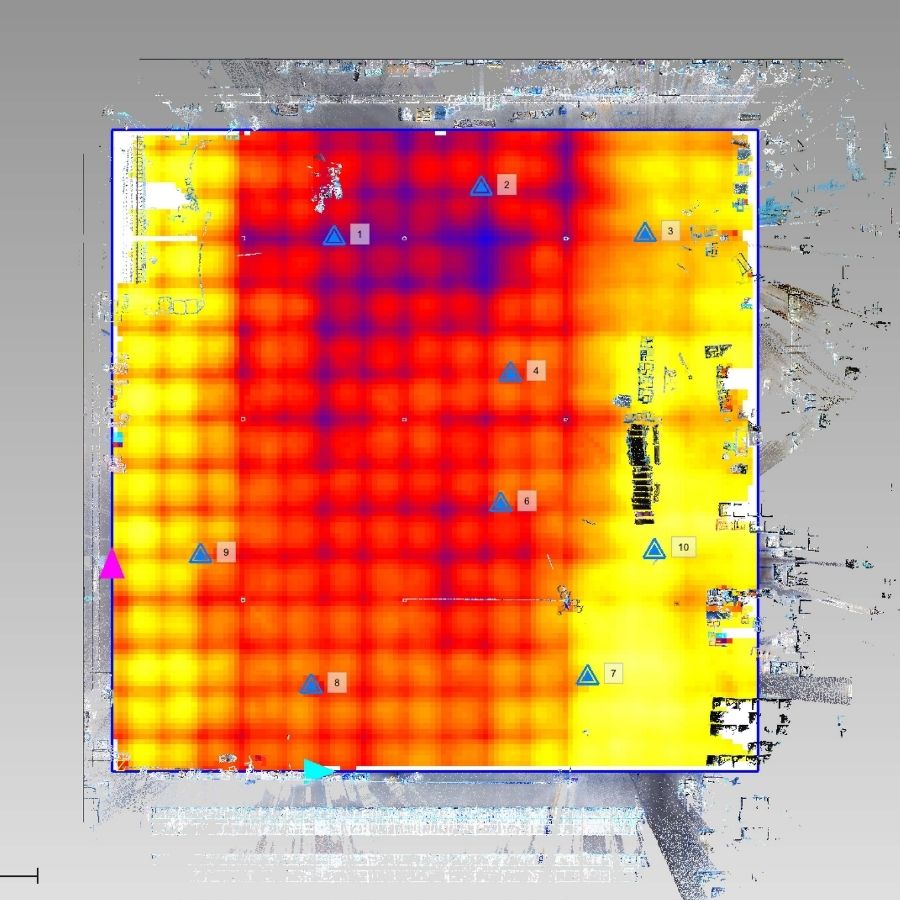
High areas identified during floor profiling were marked for targeted remediation.
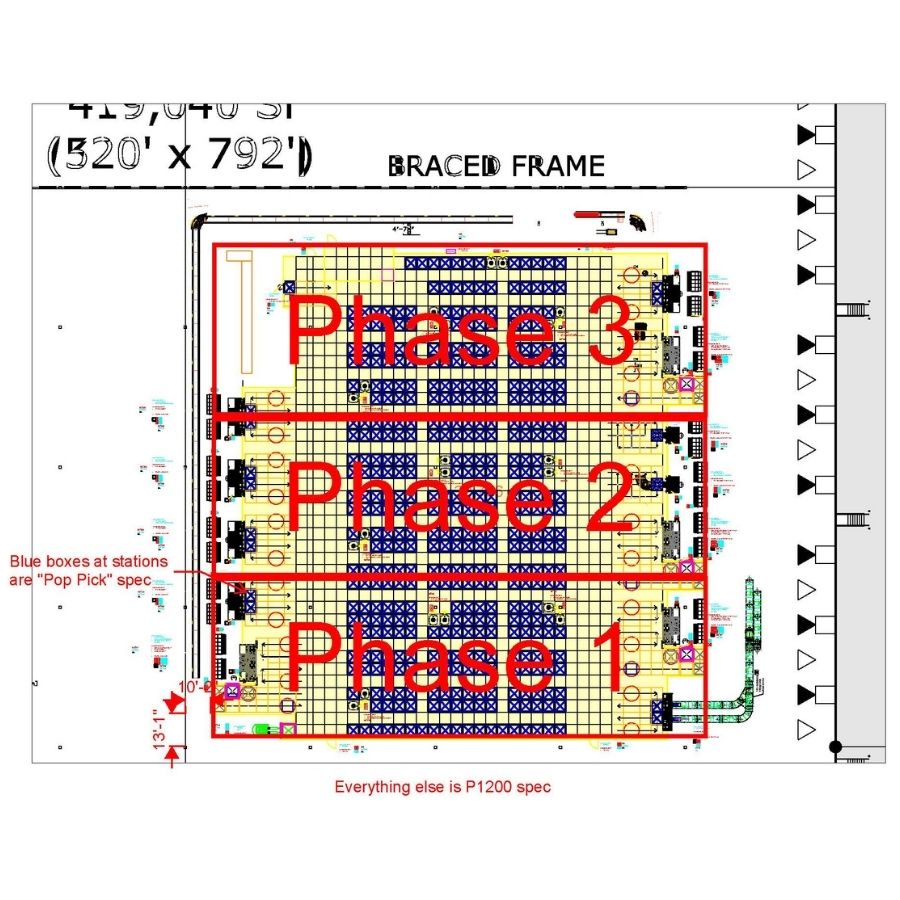
A phased approach was implemented to allow automation installers to follow immediately behind remediation crews once required floor tolerances achieved.
In-House Testing Defined the Path to Compliance
Unlike many flooring contractors, Durable Surfaces owns and operates its own advanced floor-testing equipment. This allowed the team to evaluate the slab, translate the findings directly into a targeted remediation plan and repeat the testing after repairs to verify compliance.
Durable used four specialized instruments:
- BOT-3000E tribometer to measure coefficient of friction
- Desco surface resistance meter to measure the concrete’s electrical surface resistance
- Horiba IG-320 gloss meter to measure floor reflectivity
- Axiom floor profiler to measure floor flatness and levelness against the specified limits
- Trimble Total Station and Scanning Suite
Together, these measurements provided a comprehensive picture of the slab’s condition and identified conditions that fell outside the system’s specifications, including:
- Areas outside the required flatness and levelness tolerances
- Step transitions that exceeded specified limits
- Cracks, joints, bolt holes and surface defects requiring repair
- Surface conditions that did not meet the system’s requirements
Following remediation, Durable repeated the testing to document compliance and confirm that the floor had been brought within the required specifications before each completed area was released to the automation installer.
The Solution
A Four-Week Phased Plan Built Around Operations
The original remediation plan called for seven weeks of work. However, to maintain its automation installation schedule, the client needed the floor completed within four weeks and for their facility to remain operational throughout the project.
To execute the compressed schedule, Durable brought in technical experts from its Pennsylvania headquarters and supplemental project crews from Arizona and Texas. A seven-person crew worked through the phased remediation while the automation installer followed closely behind.
Durable divided the automation footprint into three phases so remediation and installation could progress in sequence. Crews identified and marked areas outside tolerance, mechanically removed high points and corrected transitions, then repaired and finished the affected areas to meet the required floor specifications. Each completed section was cleared for the automation installer to begin work while Durable advanced into the next phase.
Uncompromising Safety Standards
Safety is a core value at Durable Surfaces, supported by trained, dedicated leaders who oversee safety at both the corporate and job-site levels. Because the distribution center remained occupied and operational throughout the project, protecting associates and maintaining safe air quality were paramount.
Durable coordinated its work around associates and shifting facility needs, using HEPA-filtered vacuums, conducting continuous carbon-monoxide monitoring while propane-powered equipment was in operation, and inspecting the vacuum systems three times each day, ensuring operations remained within applicable OSHA permissible exposure limits (PELs).
Remediation efforts across all project phases resulted in over 3.5 cubic meters of material removed, which is the equivalent to a trailer load of material.
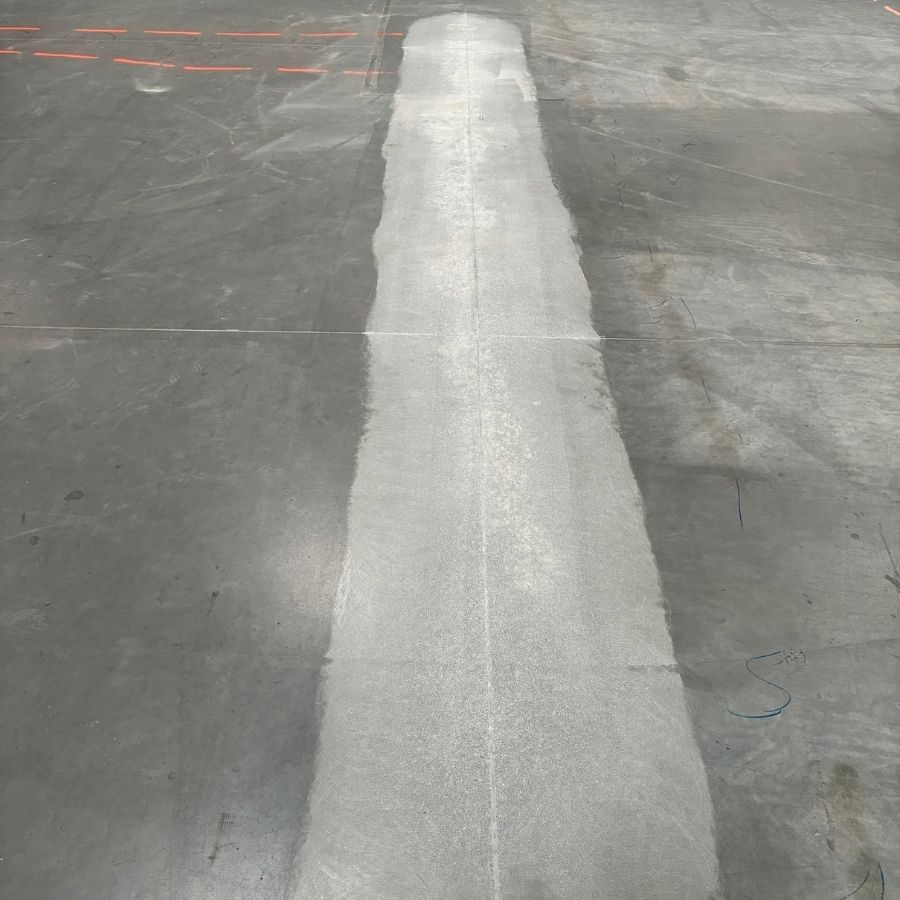
Phase 1
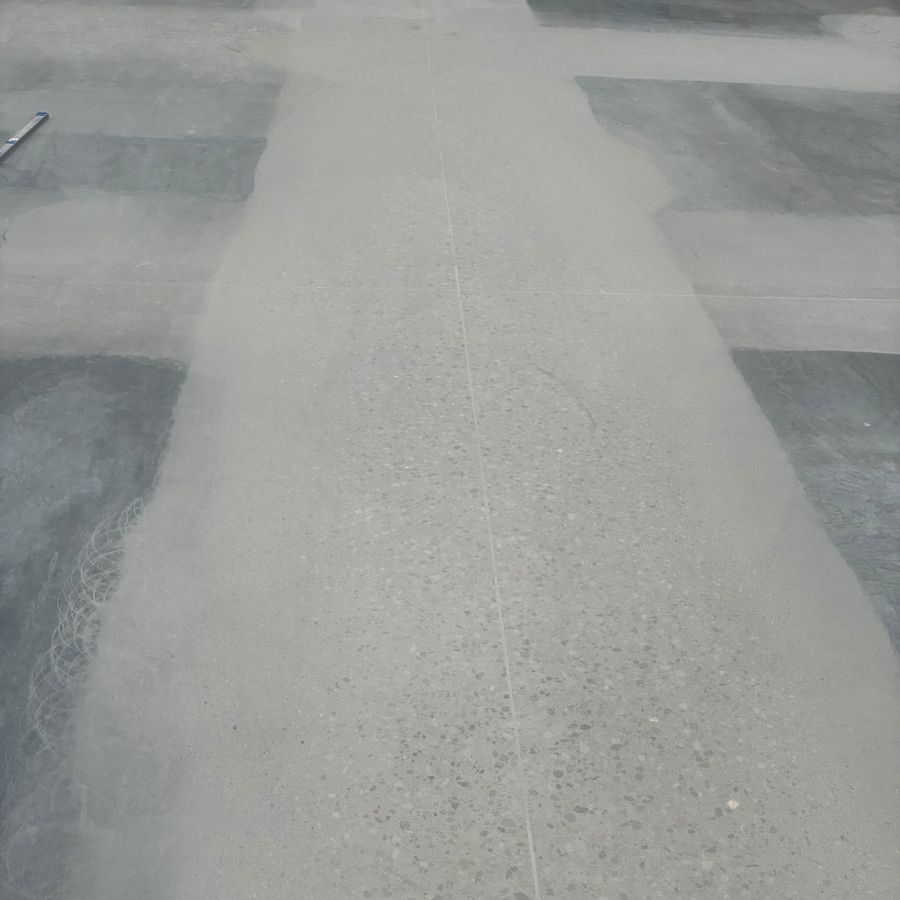
Phase 3
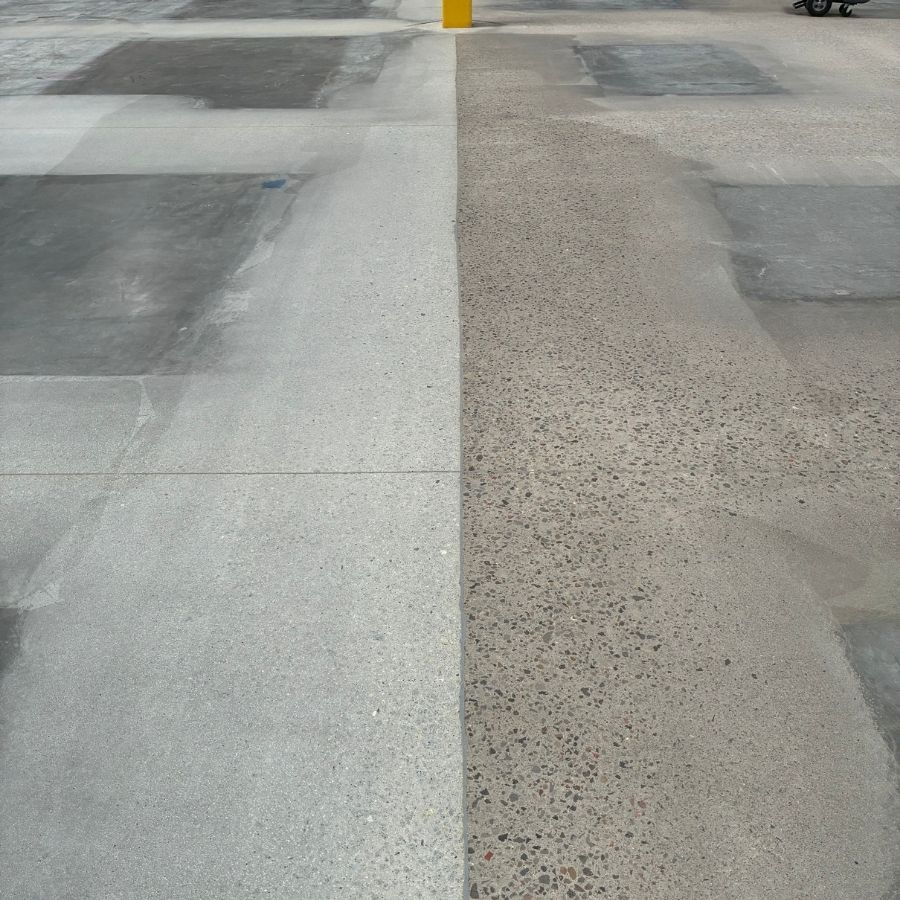
Phase 1
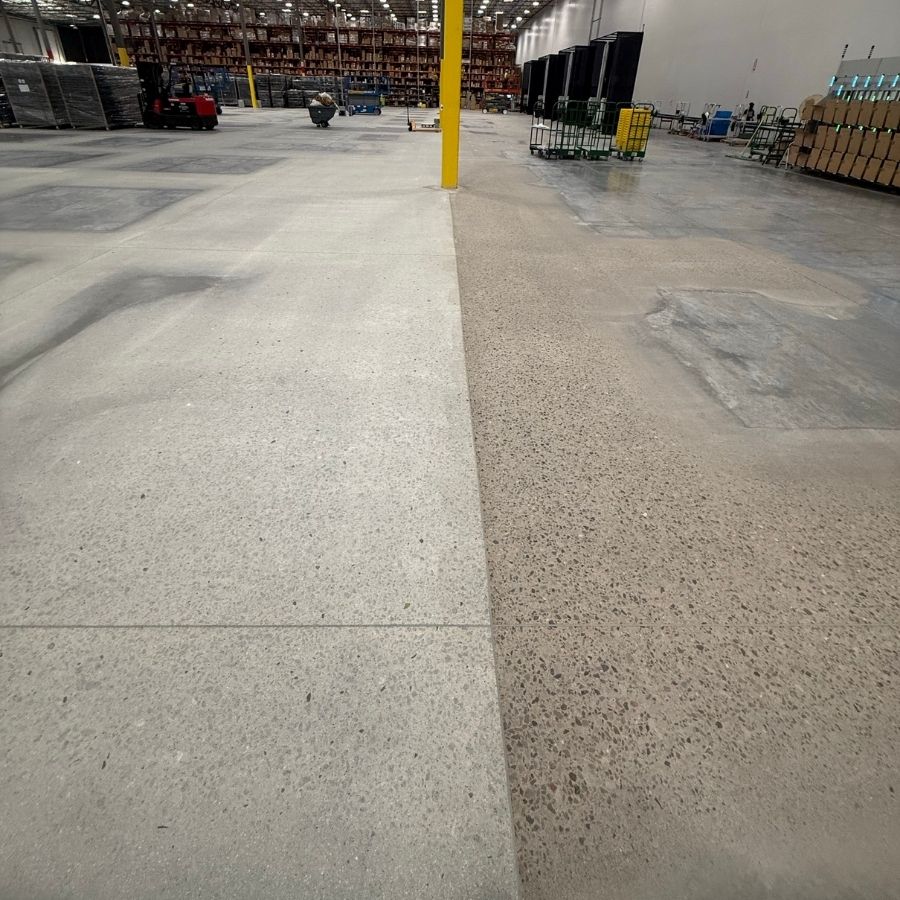
Phase 3
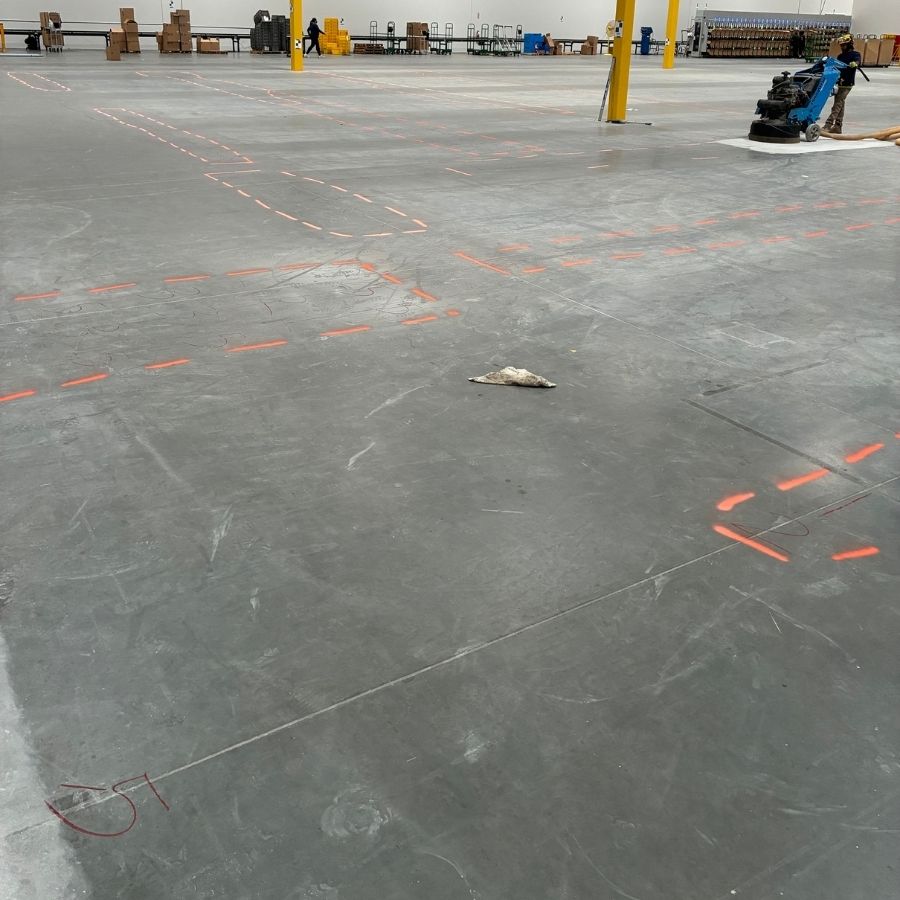
Phase 1
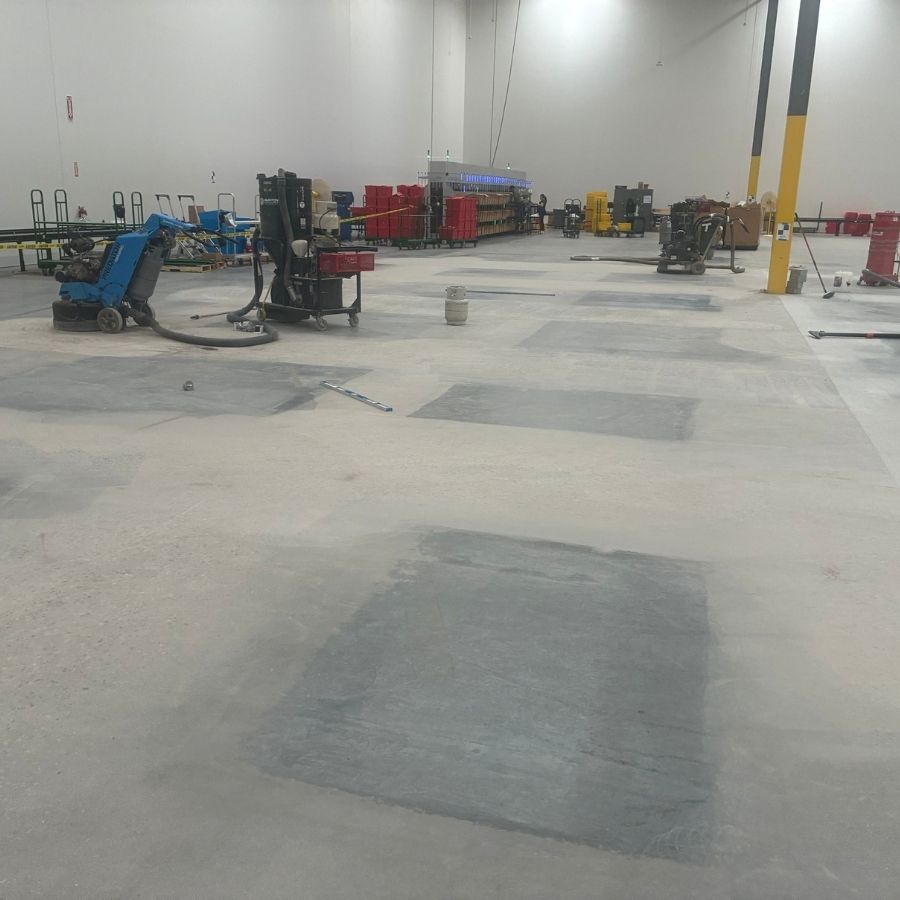
Phase 3
The Results
Compliance Achieved, Schedule Maintained
Crews corrected flatness and levelness deficiencies, brought the slab elevations into compliance with the specified datum, and repaired bolt holes, surface defects and joints that exceeded the system requirements.
Durable completed the remediation in four weeks—three weeks faster than the original plan—and achieved the required floor compliance.
The automation installation was able to move forward on schedule, positioning the client to realize the full efficiency, throughput and return of its automation investment.
Value Beyond Repairs
Durable helped the customer understand how slab conditions affect automation performance, translated technical specifications into a practical work plan, and adjusted sequencing as site conditions and operational needs changed. Customer feedback emphasized the team’s consistency, communication, flexibility and ease of working together.
“Durable Surfaces was very easy to work with. They communicated consistently and accommodated adjustments to the schedule whenever needed to support our operations.”
The Lesson: Evaluate the Floor Before Finalizing the Automation Plan
Brownfield automation projects create a difficult timing problem: operators want to keep a facility productive as long as possible, but waiting until installation is imminent leaves little room to investigate and correct the slab. An early floor assessment can reveal the likely scale of remediation while there is still time to plan for it.
Early testing protects more than the construction schedule.
It gives owners a more realistic timeline and budget, helps integrators validate floor assumptions, and reduces the risk that the slab becomes the last-minute obstacle between an automation investment and its expected ROI.
Planning a Warehouse Automation Project?
Bring the floor into the conversation early. Durable Surfaces evaluates existing slab conditions, identifies compliance gaps and develops remediation plans that help automation systems perform as intended.
Frequently Asked Questions
Why does floor flatness matter for warehouse automation?
Automated mobile robots depend on a consistent, predictable floor surface to navigate and operate reliably. Variations in flatness, levelness, transitions and joints can affect robot movement, system performance and throughput.
How do you determine whether an existing floor meets automation specifications?
Durable Surfaces uses specialized concrete testing equipment to measure floor flatness and levelness, coefficient of friction, surface resistance and reflectivity. The results are compared with the automation system’s specified requirements to identify areas requiring remediation.
Can an existing concrete floor be corrected for an automation system?
Yes. Depending on the conditions identified through testing, concrete repair and remediation may include correcting high or low areas, smoothing transitions, repairing joints and cracks, filling bolt holes and addressing other surface defects. The floor should then be retested to verify compliance.
Can floor remediation occur while an automation system is being installed?
Yes, when the work is carefully phased and coordinated. On this project, Durable divided the automation footprint into three phases, allowing the installer to begin working in completed areas while floor remediation continued elsewhere.
Should a concrete floor be tested before installing warehouse automation?
Yes. Testing during the planning stage can identify conditions that may affect installation, scheduling or system performance. It also allows the project team to define the necessary remediation before equipment arrives onsite.
Lasting
Partnerships
With 80% of our client base being repeat customers, we hold partnerships at a high value.
Affordable &
Cost Effective
Invest in low-cost solutions with Durable Surfaces and avoid high costs in the future.
Proven
Expertise
Since being established in 2001, we have become experts in concrete & are known as the #1 consultant in the industry.
Best In-Class
Quality
Our innovative techniques, ideas and technology put us ahead of the competition.
Experience the Durable Difference.

We Make Your Floors Perform