
Automation Floor Readiness
Supporting Automation & Robotics Systems
Protect Your Automation Investment
Modern automation systems depend on more than software, sensors, and equipment. They depend on the floor beneath them.
Whether you’re implementing Autonomous Mobile Robots (AMRs), Automated Guided Vehicles (AGVs), Automated Storage & Retrieval Systems (ASRS), Goods-to-Person (G2P) systems, conveyors, or other automated material handling equipment, concrete floor performance directly impacts uptime, throughput, equipment life, and the return on your automation investment.
Durable Surfaces helps warehouse, manufacturing, and distribution facilities evaluate, repair, and optimize concrete floors before automation systems are installed and restore performance when existing systems begin experiencing floor-related issues.
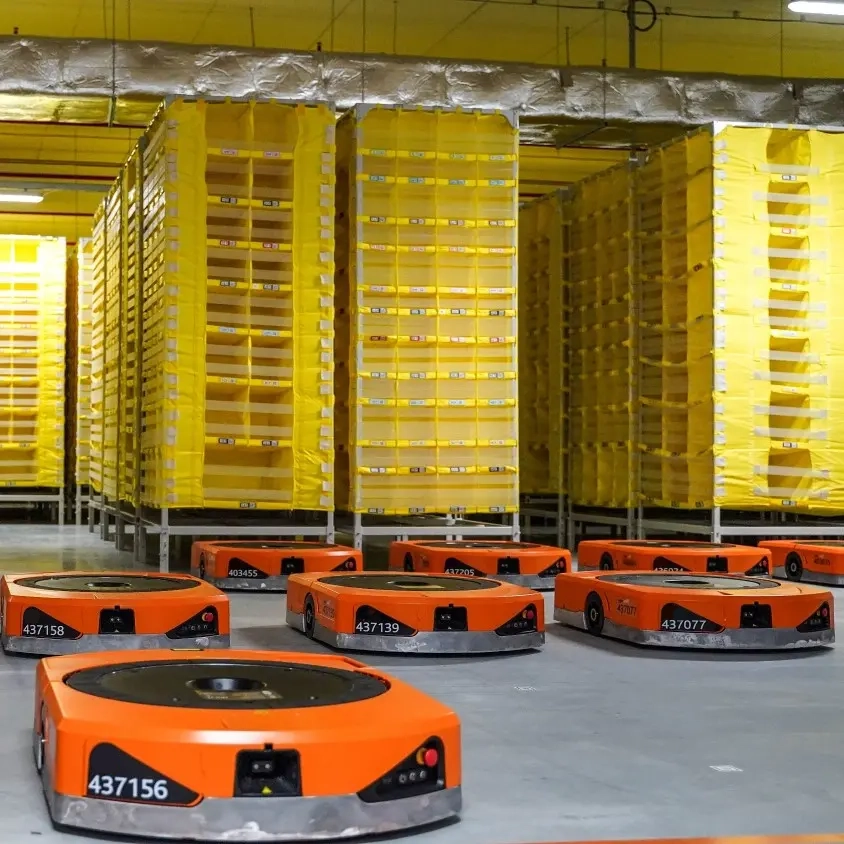
Is Your Facility Automation Ready?
Many warehouses were constructed years before today’s automation technologies existed.
Before investing millions in robotics, it’s important to understand whether your floor meets the required performance specifications.
Durable Surfaces evaluates existing facilities to determine whether your concrete slab is ready for automation—or whether corrective work should be completed before equipment is installed.
Identifying these issues early helps avoid expensive surprises during installation and commissioning.
Our evaluations help identify:
- Non-compliant Fmin tolerances
- FF/FL deficiencies
- Defined aisle flatness issues
- DIN 18202 compliance concerns
- Slab settlement
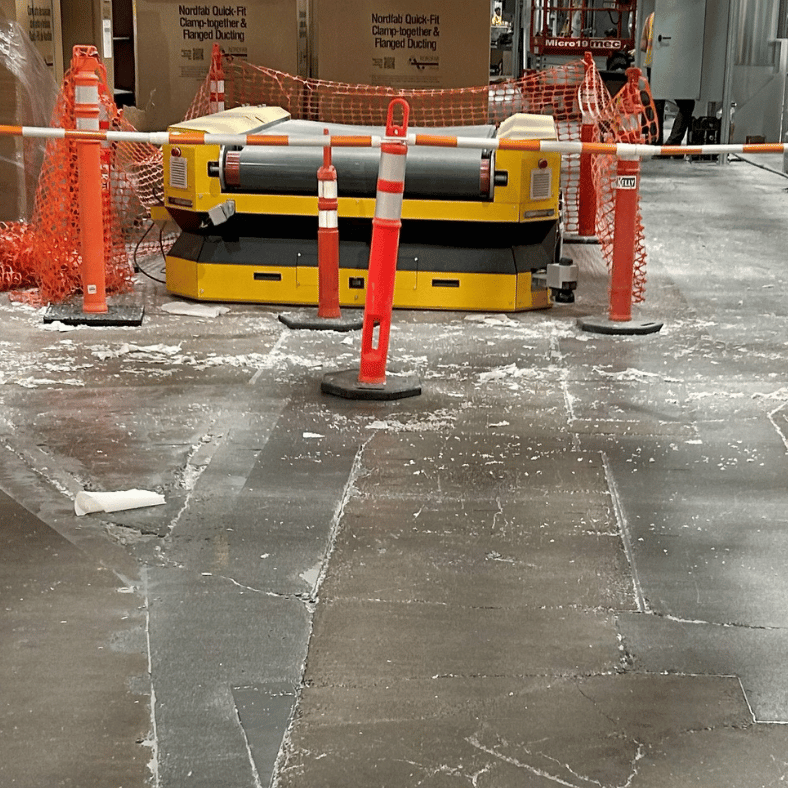
- Joint deterioration
- Surface damage
- Areas that have never been tested for automation suitability
Real-world results: 37% to 99% Efficiency in 6 weeks
Automation systems are designed to improve efficiency. But when floor conditions become a constraint, even the most advanced technology can struggle.
A major distribution facility was experiencing significant automation performance issues during peak season. After identifying and correcting floor-related deficiencies, Durable Surfaces helped improve system efficiency from 37% to 99% in just six weeks.
The lesson is simple: When automation systems underperform, the problem isn’t always the software, equipment, or controls. Sometimes it’s the floor.

Before You Invest in Automation, Ask These Questions
- Has our floor been tested to verify it meets our automation specifications?
- Will our existing slab support AGVs, AMRs, ASRS, or G2P systems without performance issues?
- Could floor conditions delay installation or system commissioning?
- What will remediation cost after automation equipment is installed compared to correcting issues beforehand?
- Are we working with a partner who understands both concrete performance and automation requirements?
If you aren’t confident answering these questions, an automation floor assessment can help.

Common Floor Problems That Impact Automation Systems
Joint Deterioration
Damaged joints create vibration, impact loading, inconsistent wheel tracking, and accelerated wear on automated equipment.
Floor Flatness Issues
Even minor elevation changes can affect AGVs, AMRs, wire-guided vehicles, ASRS systems, VNA equipment, and robotics.
Slab Settlement
Settled slabs create abrupt elevation changes that affect equipment performance and increase wear.
Surface Damage
Spalls, cracks, and deteriorated concrete can interfere with automated equipment while creating safety concerns for employees.
Legacy Facilities
Many existing warehouses and manufacturing facilities were never designed for today’s automation systems. As automation technology evolves, floor performance requirements become more demanding.
The Hidden Cost of Floor Problems
When concrete issues are discovered after equipment has been ordered—or worse, after installation begins—they often create significant project delays.
Poor floor conditions can lead to:
- Delayed automation commissioning
- Missed implementation schedules
- Costly change orders
- Contractor rescheduling
- Reduced productivity during startup
- Negative impact to projected ROI
Learn more about the true cost of a failed floor and why evaluating floor conditions early helps keep projects on schedule while reducing implementation risk.
Automation Systems We Support
Durable Surfaces works with facilities operating a wide range of automation and material handling technologies, including:
- Autonomous Mobile Robots (AMRs)
- Automated Guided Vehicles (AGVs)
- Automated Storage and Retrieval Systems (ASRS)
- Goods-to-Person (G2P)
- Very Narrow Aisle (VNA) Equipment
- High-Speed Distribution Centers
- Robotics and Material Handling Systems
Whether you are preparing for a new automation installation or troubleshooting performance issues in an existing facility, our team can help identify and address floor-related challenges.

Check Out Recent Flooring Projects to Support Automation & Robotics
Amazon HWA4
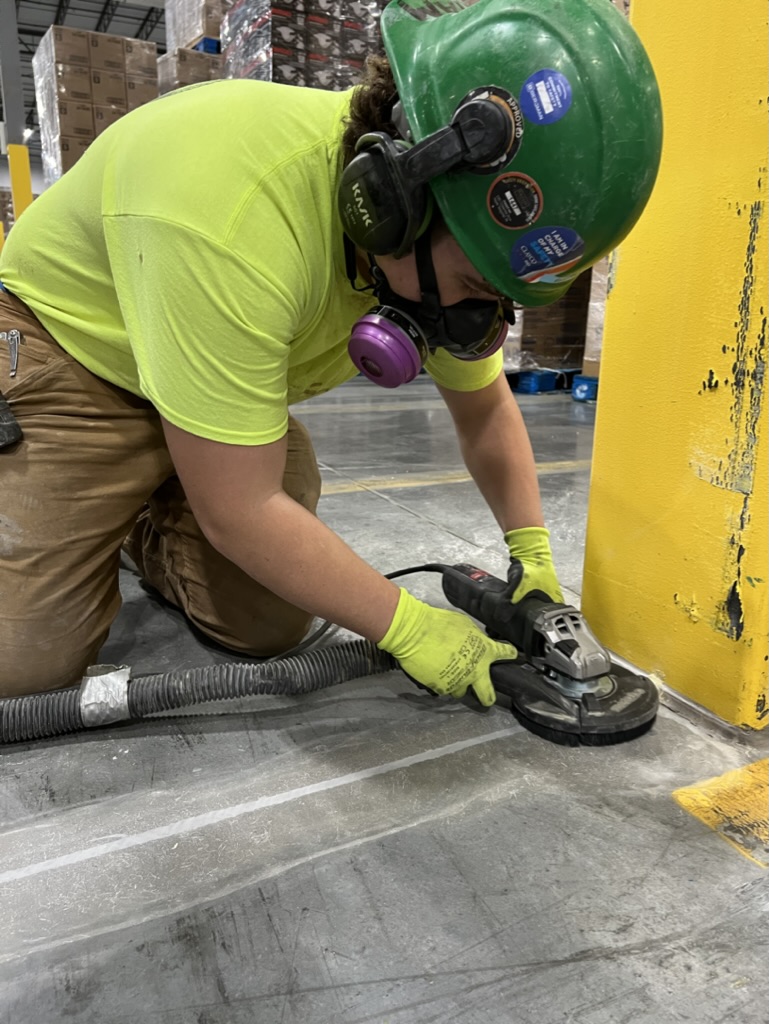
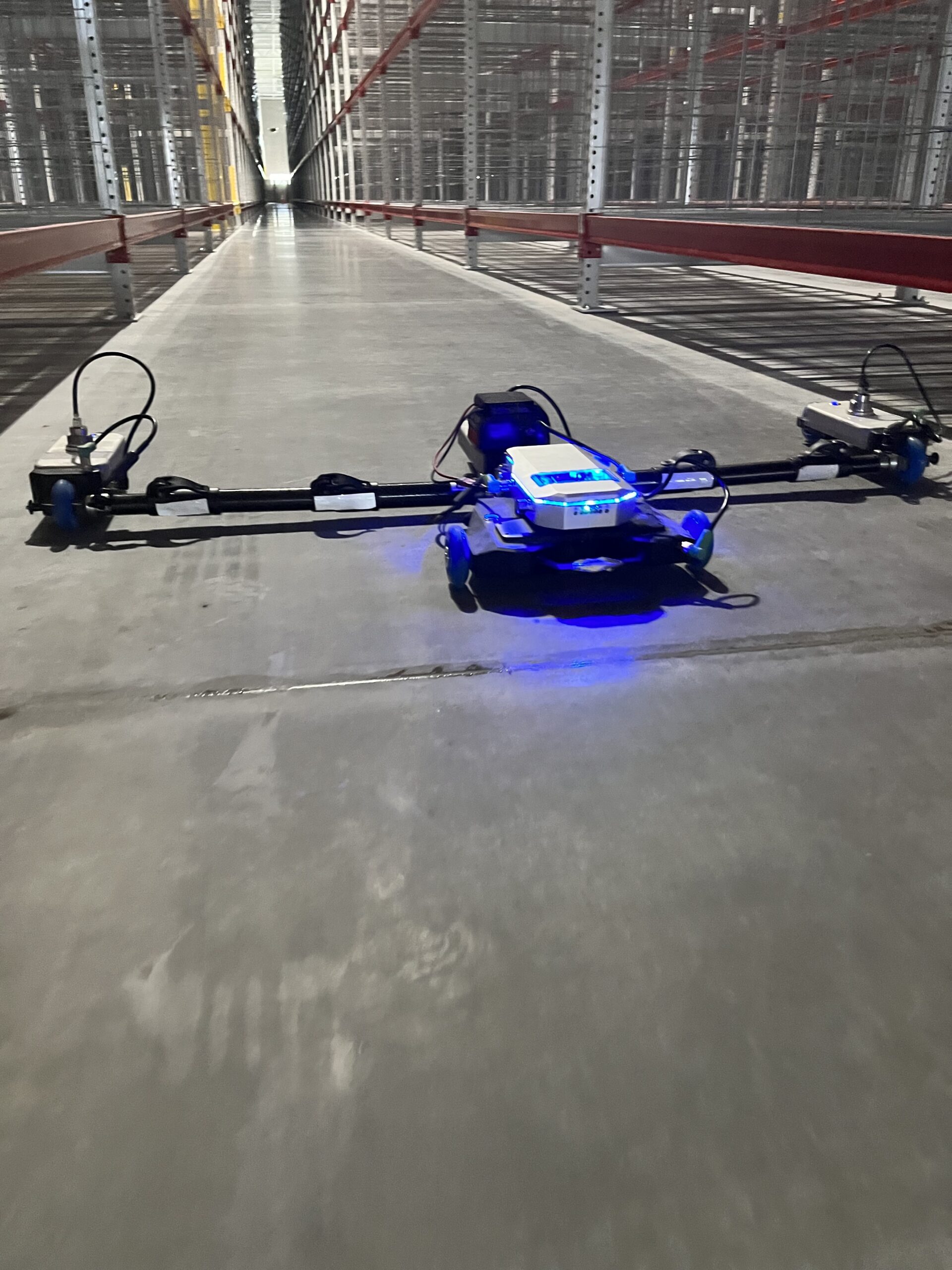
Fmin testing and corrective grinding to achieve flatness and levelness requirements for more than 39,000 linear feet.
Amazon HGR5
Rapid response Fmin testing of 180 aisles plus remediative grinding to meet flatness requirements.
MSC Industrial Supply
Remediative grinding and fill after a deviation laser scan for AutoStore installation.
Our Approach
Assess
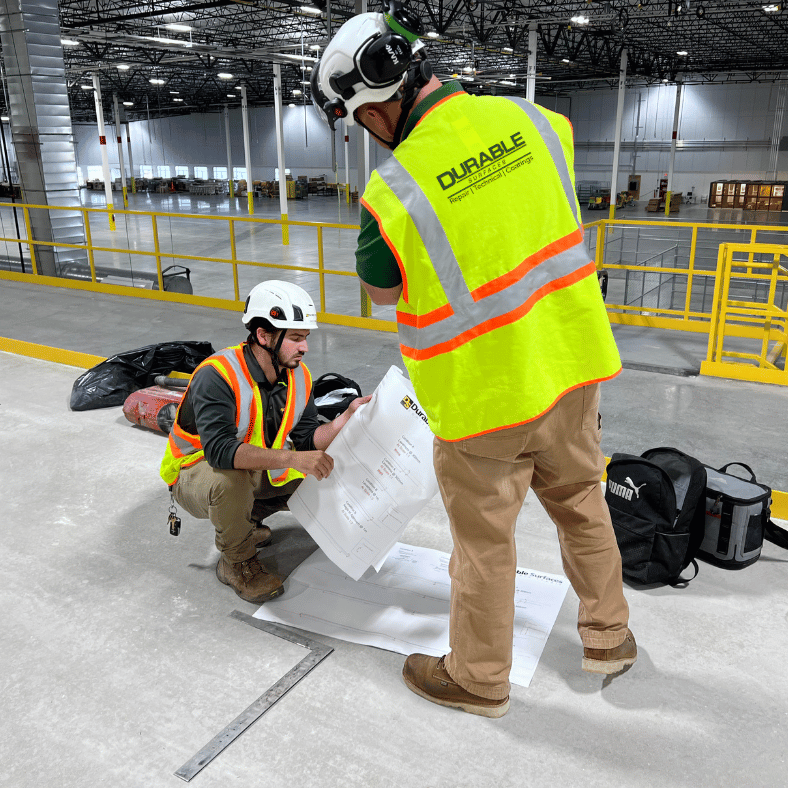
We begin by evaluating the condition and performance of your floor.
Services include:
Our goal is to identify the root causes affecting automation performance and operational efficiency.
Repair
Once issues are identified, we develop a repair strategy tailored to your facility and operational requirements.
Services include:
Optimize & Validate
We don’t just repair concrete. We help facilities improve floor performance for long-term operational success.
After repairs are complete, we verify floor performance so owners, engineers, and automation partners can move forward with confidence that the floor meets project requirements.
Planning a New Automation Project?
The best time to evaluate floor conditions is before automation equipment is installed.
Identifying potential floor issues early can help avoid:
- Costly delays
- Change orders
- Equipment performance problems
- Future remediation expenses
- Operational disruptions
Durable Surfaces works alongside owners, operators, engineers, and automation partners to evaluate floor readiness before implementation begins.

Why Durable Surfaces
Most contractors repair concrete. Durable Surfaces helps businesses protect automation investments.
Our team understands how floor conditions impact automation systems, material handling equipment, and warehouse automation operations. We work alongside facility owners, operators, engineers, and automation integrators to identify problems, develop solutions, and minimize disruption during implementation.
Whether you’re preparing for a new automation project or troubleshooting an existing system, Durable Surfaces provides the technical expertise needed to help your floors support long-term operational success.
Our team provides:
- Nationwide service capabilities
- Technical expertise in automation floor readiness
- Precision grinding and remediation
- Repair, restoration, and technical services
- Minimal operational disruption
- Transparent communication throughout the project
- Safety-first execution
From quick-turn repairs to complex technical projects, we help facilities solve the floor problems that hold back safety, speed, and automation.
Frequently Asked Questions
What floor flatness is required for automation systems?
Requirements vary based on the equipment being used. AMRs, AGVs, ASRS systems, and VNA equipment often require tighter tolerances than traditional warehouse operations. A floor assessment can help determine whether existing conditions meet operational requirements.
Can existing floors be upgraded for automation?
In many cases, yes. Testing, remediation, stabilization, and corrective measures can often improve floor performance without complete slab replacement.
When should a floor assessment be completed?
Ideally before automation equipment is installed. However, assessments can also help identify the root cause of performance issues in existing facilities.
Does Durable Surfaces work with automation integrators and engineers?
Yes. We regularly collaborate with owners, operators, engineers, integrators, and project teams to support successful automation implementations.
Can Durable Surfaces evaluate an existing facility before an automation retrofit?
Yes. Our team can assess floor conditions, identify potential issues, and recommend corrective actions before automation equipment is installed, helping reduce project risk and avoid costly surprises.
TRUSTED
PARTNER
We become an extension of your team, solving today’s challenges while helping you prepare for what’s next.
PROVEN
EXPERTISE
Technical solutions that keep forklifts, automation, and facilities performing at their best.
UNCOMPROMISING
SAFETY
For sites where safety can’t slip, our work helps you meet rigorous standards from OSHA, USDA, Avetta, ISNetworld, and more.
STRATEGIC
INSIGHT
We help you plan for the future—not just the fix—from automation retrofits to lifecycle savings.
Experience the Durable Difference.

We Make Your Floors Perform
